The Move-Up Buyer's Guide to Timing a Pre-Construction Purchase
How to sequence selling your current home and buying a pre-construction home, from bridge financing to mortgage re-qualification at closing.
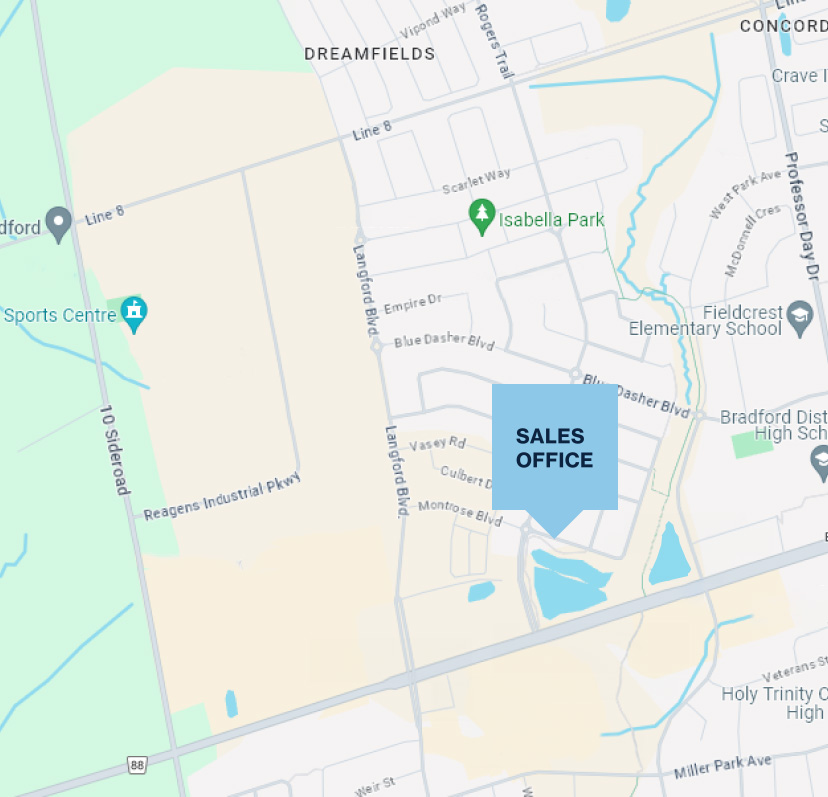
Move-up buyers reviewing Summerlyn Village’s now-selling new phase need to coordinate a new-home purchase with the sale of an existing home. A builder closing schedule and resale transaction may not align, so compare actual contract dates, financing conditions and contingency options. This guide helps you build a sequence without assuming a Summerlyn delivery date or quoted price.
Sell-first versus buy-first
Selling your current home first gives you certainty about your net proceeds and how much you can put toward the new home, but it can leave you needing interim housing if your new home's closing date is far off, which is common with pre-construction. Buying first, meaning committing to the new home before your current home is sold, gives you certainty on the new purchase but leaves you carrying two properties, at least on paper, until your current home sells, and it exposes you to market movement in your existing home's value between now and when you eventually list it.
- Sell-first: known proceeds, but possible gap between selling and the new home's closing
- Buy-first: locked-in new purchase, but carrying risk on your current home's eventual sale price and timing
- A hybrid approach, such as listing your current home closer to the new home's confirmed closing date, is common with pre-construction because the builder's timeline is often not firm years in advance
Bridge financing, conceptually
Bridge financing is a short-term loan that lets a buyer access equity from a home they have sold but not yet closed on, to help fund the purchase of a new home before that sale closes. It is typically arranged through a lender or mortgage broker and secured against the firm sale of your existing home. Whether bridge financing is available to you, and on what terms, depends on your lender, your existing mortgage, and the firmness of both closing dates; this is a conversation to have with a mortgage professional, not something to assume you will qualify for.
Firm closing dates versus builder timelines
A resale transaction typically has one firm closing date agreed by both parties at the time of the offer. A pre-construction new-home agreement is different: many builder agreements include an outside occupancy or closing date that is later than the anticipated date, along with provisions allowing the builder to extend or delay closing within defined limits. Understanding these provisions in your specific agreement, rather than assuming the anticipated date is a promise, is essential to sequencing a sale of your existing home responsibly. The Agreement of Purchase and Sale and Lawyer's Review guide on this site goes into these delay and extension provisions in more detail.
Mortgage re-qualification at closing and rate holds
Because pre-construction closings can occur well after you initially arranged financing, most lenders will require you to re-qualify for your mortgage close to the actual closing date, based on your income, credit and the lender's rules in effect at that time, which may differ from when you first signed the agreement. A mortgage rate held at the time of signing generally does not last until a pre-construction closing years later; rate holds have their own, much shorter, expiry windows. Speak with a mortgage broker early about how re-qualification and rate timing will work for a purchase with a distant or flexible closing date, and revisit that conversation periodically as your closing approaches.
Storage, interim housing and capacity planning
If there is a gap between selling your current home and closing on the new one, plan for interim housing (renting, staying with family, or a short-term rental) and for storage of belongings, furniture and vehicles during that window. Build these costs into your overall closing-cost budgeting; the New Freehold Home Closing Costs guide on this site covers the categories of costs that come with the new-home side of the transaction specifically.
- Get a written estimate for interim housing costs if a gap is likely
- Get storage quotes in advance rather than during a compressed moving window
- Ask your mortgage broker how a longer or flexible closing date affects rate holds and re-qualification
- Confirm your current home's realistic time-to-sell with a local real estate professional before committing to a firm sale date
To talk through sequencing questions specific to the Summerlyn Village new phase, Request Pricing & Floorplans or call 289-400-0110.
Frequently asked questions
Official sources
- Canada Revenue Agency — GST/HST new housing rebate (RC4028)
- Tarion — builder directory
- Ontario Land Transfer Tax
Project information is summarized from official Great Gulf Summerlyn Village material reviewed October 7, 2026 and is subject to change without notice. Builder marketing statements, sizes, renderings and release timing are the builder's and may change. Renderings and illustrations are artist's concept. E. & O. E.